


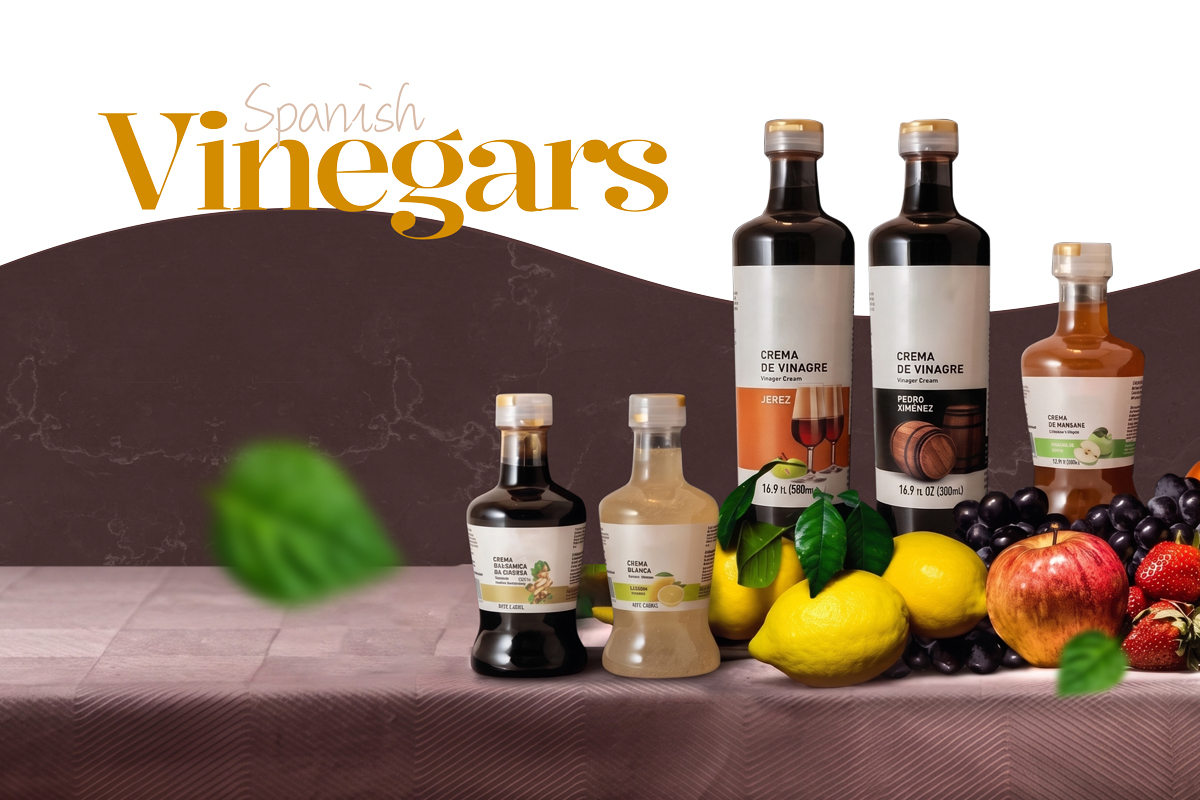
Spanish Vinegar Guide: How to Source Premium Vinegars for HoReCa, Retail & Wholesale
Spain produces some of the most respected vinegars in the world — not just one or two varieties, but an entire family of products that span wine vinegars, sherry vinegars with protected designation of origin, barrel-aged reserves, aromatic infusions, fruit vinegars, balsamic creams, and even niche specialties like cava vinegar that most international buyers have never considered listing. For importers, distributors, and HoReCa procurement teams looking to differentiate their offering, Spanish vinegar represents a category with strong consumer pull, clean labels, long shelf life, and margins that outperform many ambient products sitting on the same pallet.
Why Vinegar Deserves a Bigger Spot on Your Purchase Order
Vinegar is one of those rare ambient products that ticks nearly every box a buyer cares about. Shelf life measured in years rather than months. Lightweight packaging relative to value. No cold chain requirements. Minimal breakage risk. And a category where origin, aging, and production method create real, defensible differentiation — the kind that supports premium pricing without a hard sell.
From the health angle, the story has only gotten stronger in recent years. Research has consistently linked regular vinegar consumption — particularly apple cider vinegar and traditionally fermented varieties — to measurable benefits around blood sugar management, digestive support, and cardiovascular health. The polyphenols found in grape-based vinegars like red wine vinegar and sherry vinegar carry antioxidant properties that consumers increasingly seek out. This is not fringe wellness talk anymore. It is mainstream nutritional science, and it is driving purchasing decisions at both retail and foodservice level.
For restaurants, the practical value is even more direct. A well-chosen vinegar does the same work as a squeeze of lemon, a splash of wine, or a drizzle of reduction — but with more complexity and at a fraction of the cost per serving. Chefs who understand acidity know that two or three carefully selected vinegars can transform an entire menu without adding a single new protein or produce line.
The 10 Categories of Vinegar You Should Know
1. Red Wine Vinegar
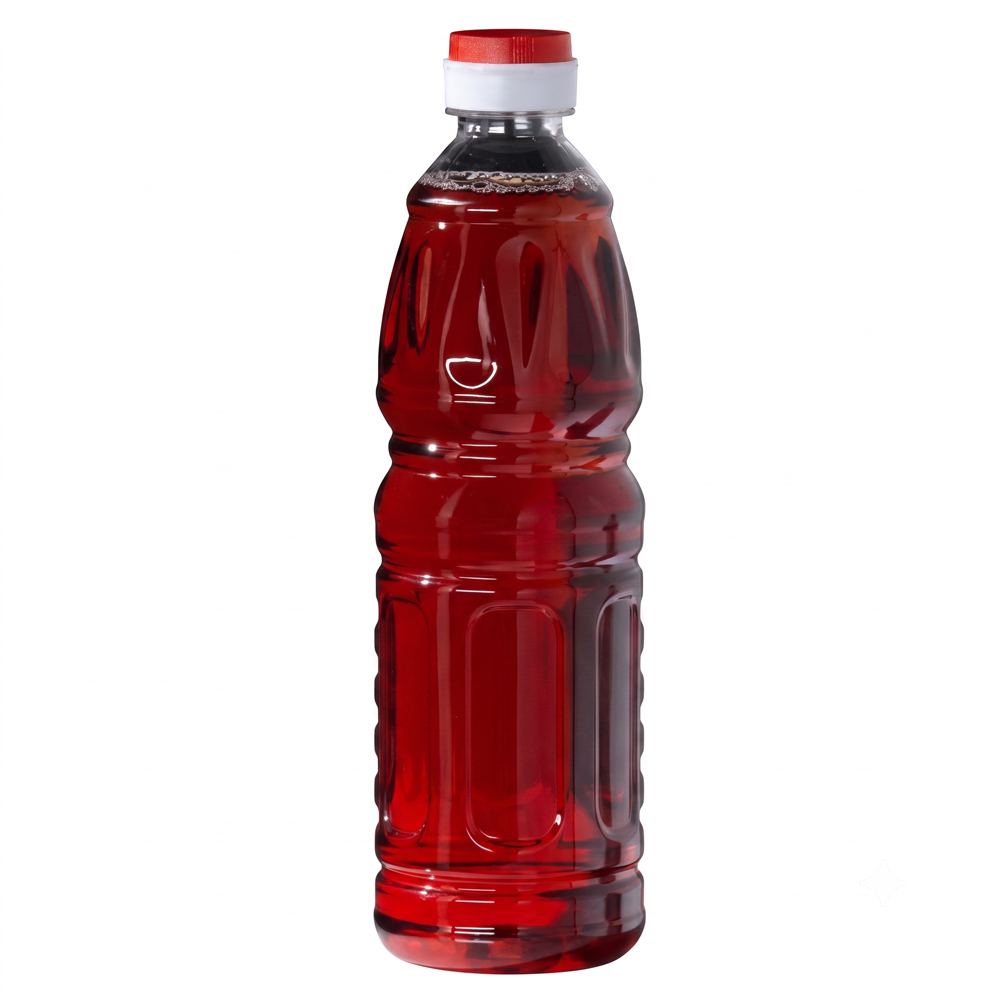
Good red wine vinegar starts with actual wine — not diluted alcohol with colouring. Look for products with a clean ingredient list (wine vinegar, nothing else) and acidity around 6–7%. Spanish producers typically work with Tempranillo, Garnacha, or Bobal grapes, which give the vinegar a rounder, less aggressive profile than many French or Italian equivalents.
Best applications: Vinaigrettes, escabeche preparations, gazpacho, marinades for red meat, and as a base for house-made sauces. In retail, it is a staple that anchors the vinegar shelf and introduces customers to the category.
Formats available: Single-serve sachets (ideal for hotel breakfast buffets and airline catering), 250 ml and 500 ml glass bottles for retail, 1 L bottles for small foodservice, and 5 L containers for high-volume kitchens.
2. White Wine Vinegar
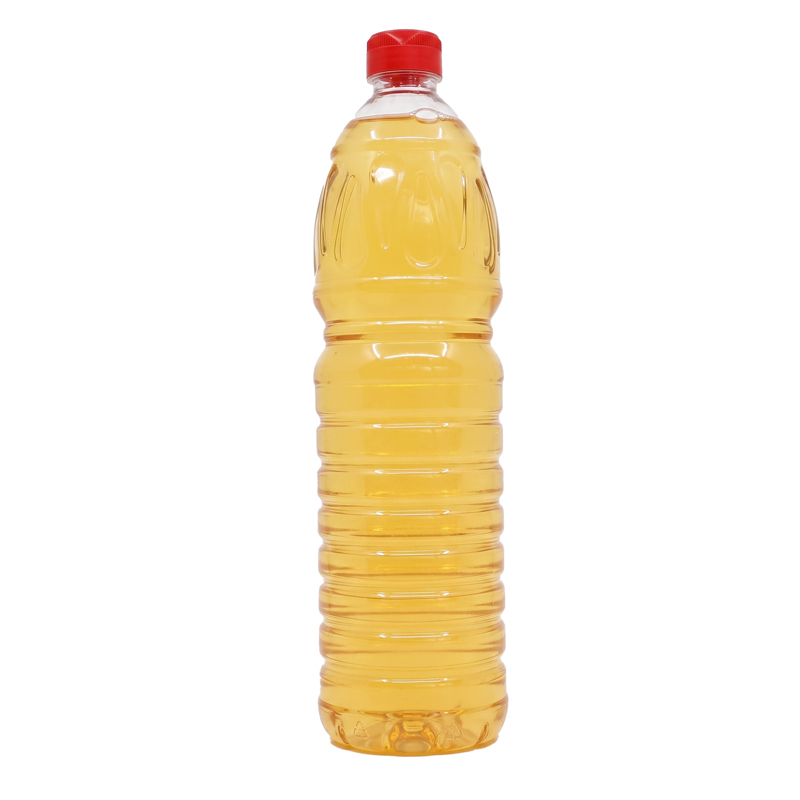
Lighter, crisper, and more neutral than its red counterpart, white wine vinegar is the variety that disappears into a dish — which is exactly the point. It adds brightness without colour or heavy flavour, making it the go-to choice for seafood preparations, cream-based sauces, light vinaigrettes, and any dish where the chef wants acidity without visual interference.
Spanish white wine vinegars made from Airén or Chardonnay grapes tend to be clean and well-balanced, with enough character to stand on their own in a dressing but subtle enough to play a supporting role in compound butters, hollandaise, and pickled vegetable preparations.
3. Sherry Vinegar (Vinagre de Jerez DOP)
If there is one Spanish vinegar that deserves a place in every serious kitchen — and on every gourmet retail shelf — it is sherry vinegar. Produced exclusively in the Jerez de la Frontera region of Andalusia and protected under its own Denominación de Origen Protegida, this is a vinegar with genuine pedigree.
The production process mirrors the winemaking tradition of the region. Palomino, Pedro Ximénez, or Moscatel grapes are fermented into sherry wine, then undergo a secondary acetic fermentation before entering the famous solera aging system — the same fractional blending method used for sherry itself. The vinegar moves progressively through tiers of American oak barrels, with younger stock blending into older reserves. The result is a product of remarkable depth: nutty, warm, slightly sweet, and far more complex than any standard wine vinegar.
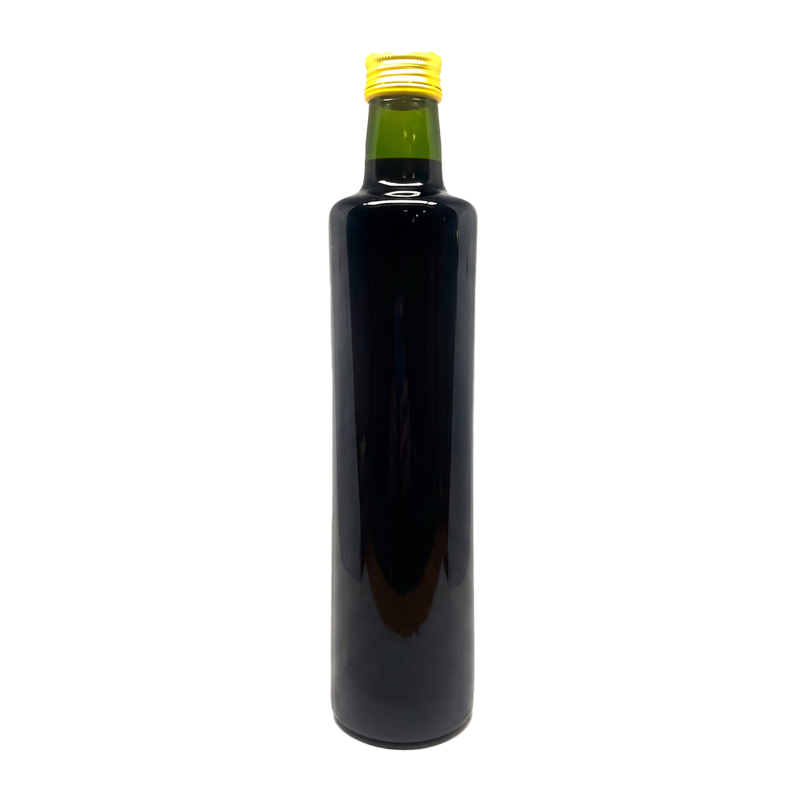
Spanish law defines three classifications based on minimum aging:
- Vinagre de Jerez — aged at least 6 months. Bright, versatile, excellent for everyday cooking and vinaigrettes.
- Vinagre de Jerez Reserva — aged at least 2 years. Deeper colour, more pronounced oak character, ideal for finishing dishes and deglazing.
- Vinagre de Jerez Gran Reserva — aged 10 years or more. Concentrated, syrupy, and complex enough to use as a finishing condiment on its own.
4. Pedro Ximénez Vinegar
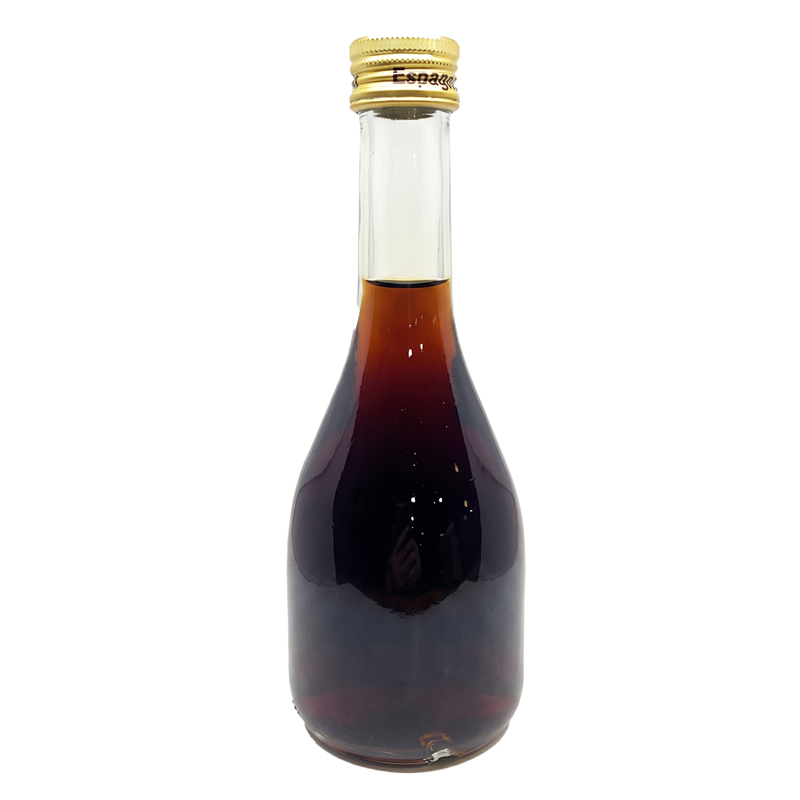
Where standard sherry vinegar is dry and nutty, Pedro Ximénez vinegar goes in a completely different direction. Made from the intensely sweet PX grape — the same variety used to produce the famously rich Pedro Ximénez dessert wine — this vinegar offers a dark, concentrated sweetness balanced by natural acidity. Think raisins, dried figs, caramel, and molasses, with enough sharpness to keep it squarely in condiment territory rather than syrup.
It is a natural pairing for strong flavours: blue cheese, foie gras, roasted duck, grilled lamb, dark chocolate desserts, and aged Manchego. In HoReCa, it works as a finishing drizzle that adds visual drama and flavour complexity to plated dishes. In retail, it sits comfortably in the gourmet and specialty segment alongside high-end oils and artisan preserves.
5. Balsamic Vinegar of Modena
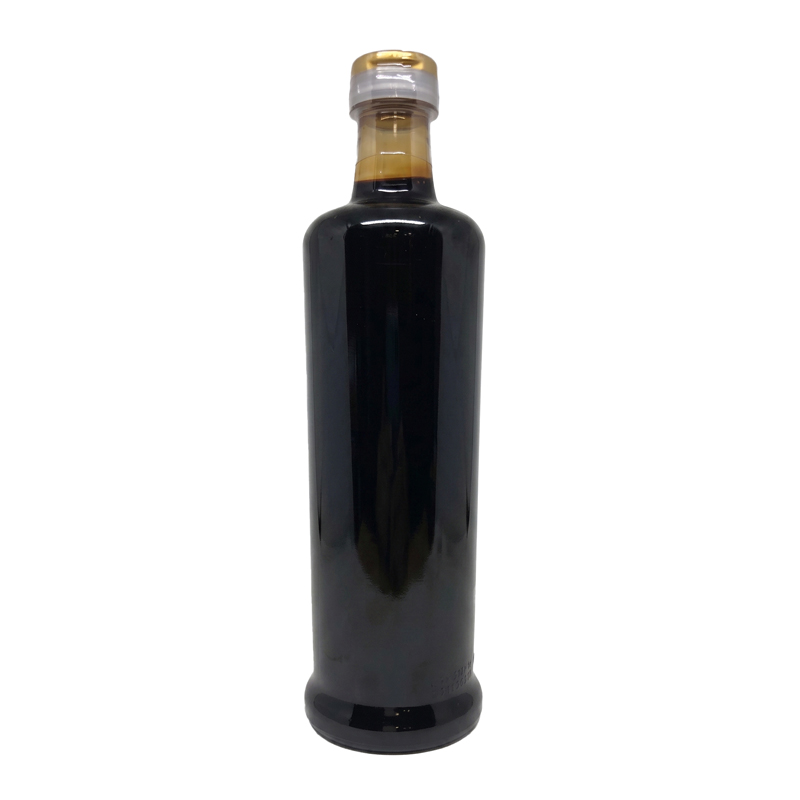
No vinegar guide would be complete without balsamic vinegar, and Spanish producers offer their own carefully crafted versions that meet the IGP (Protected Geographical Indication) standard for Balsamic Vinegar of Modena. These products combine cooked grape must with wine vinegar and are aged in wooden barrels to develop the characteristic sweet-sharp profile that consumers around the world recognise.
The key distinction buyers need to understand is between commodity balsamic (thin, overly sweet, often loaded with caramel colouring and thickeners) and genuine aged balsamic with a clean label. Spanish-produced Modena balsamic tends to sit in the quality mid-range — well above the cheapest supermarket options but accessible enough for everyday use in professional kitchens.
6. Apple Cider Vinegar
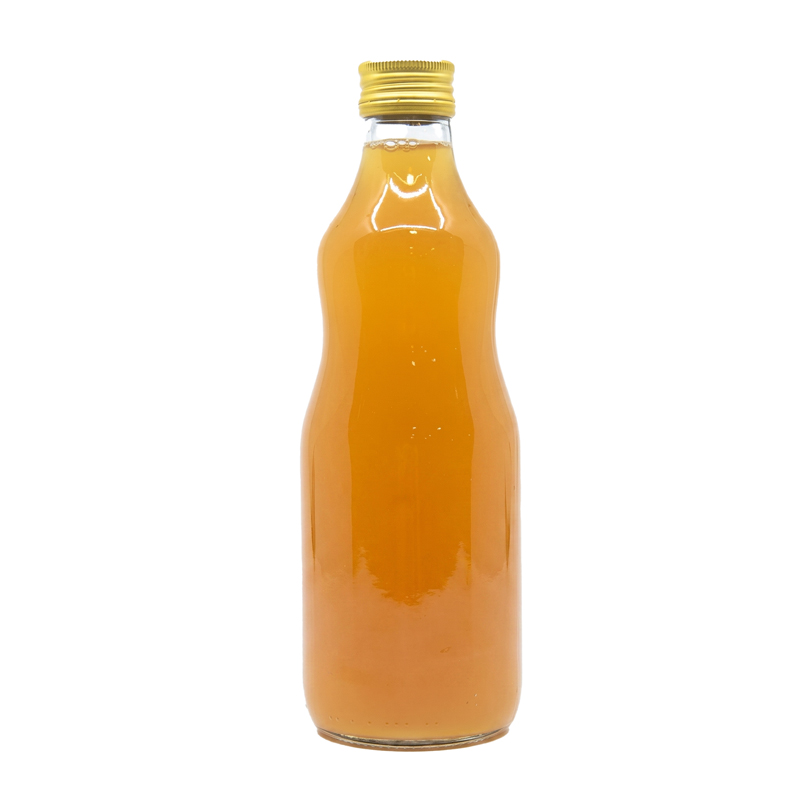
If any vinegar category has exploded in the last five years, it is apple cider vinegar. Driven by wellness trends and backed by a growing body of clinical research on its effects on blood sugar regulation, gut health, and metabolic function, ACV has moved from a niche health-food item to a mainstream pantry staple.
Spanish producers offer both conventional and organic apple cider vinegar, including unfiltered varieties that retain the “mother” — the cloudy strand of proteins, enzymes, and beneficial bacteria that forms during natural fermentation. The presence of the mother has become a key purchasing signal for health-conscious consumers, and it commands a noticeable price premium at retail.
7. Aged Wine Vinegar (Envejecido)
Between a standard wine vinegar and a full sherry vinegar sits a category that many international buyers overlook entirely: aged wine vinegar, known in Spanish as vinagre envejecido. These are wine vinegars — red or white — that undergo extended aging in oak barrels, developing rounder, more complex flavour profiles without reaching the intensity or price point of a sherry reserve.
This is the sweet spot for many foodservice operators: more interesting than a basic wine vinegar, more affordable than a premium DOP product, and versatile enough to work across multiple menu applications. An aged Garnacha wine vinegar, for example, brings soft tannins and a hint of wood that elevates a simple salad without overwhelming delicate greens.
8. Balsamic Creams and Glazes
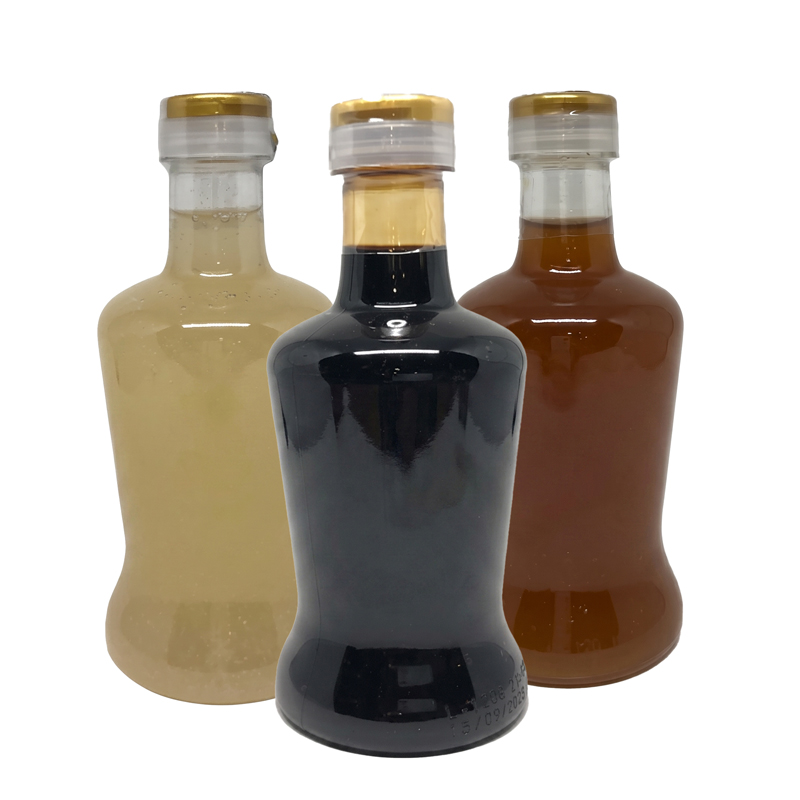
The balsamic cream segment has grown rapidly in both HoReCa and retail over the past decade, and with good reason. These ready-to-use reductions combine balsamic vinegar with grape must and natural thickeners to produce a smooth, pourable glaze that requires no reduction on the stove — saving time in busy kitchens while delivering consistent plating results every service.
Spanish producers offer balsamic creams in several variants, including classic dark balsamic, Pedro Ximénez cream, sherry vinegar cream, and flavoured options like strawberry, wild berry, lemon, and Provençal herbs. The flavoured creams are particularly popular in hotel breakfast and brunch operations, where they add visual appeal and flavour to cheese boards, fresh fruit, grilled vegetables, and charcuterie presentations.
9. Aromatic and Herb-Infused Vinegars
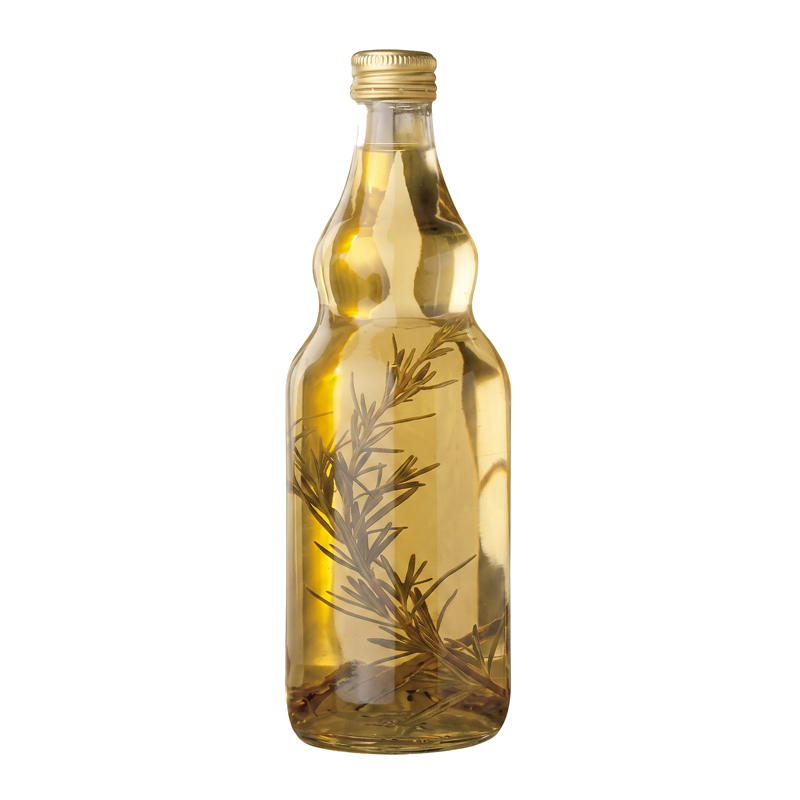
Infused vinegars represent a genuine point of differentiation — and Spanish producers have developed a range that goes well beyond the typical herb-in-a-bottle offering. Available varieties include wine vinegar infused with garlic, tarragon, rosemary and lavender, saffron, and other Mediterranean botanicals.
The infusion happens during the production process rather than as an afterthought, which means the flavour integration is deeper and more balanced than what you get from simply steeping a sprig of herbs in a bottle of commodity vinegar.
10. Cava Vinegar and Specialty Varieties
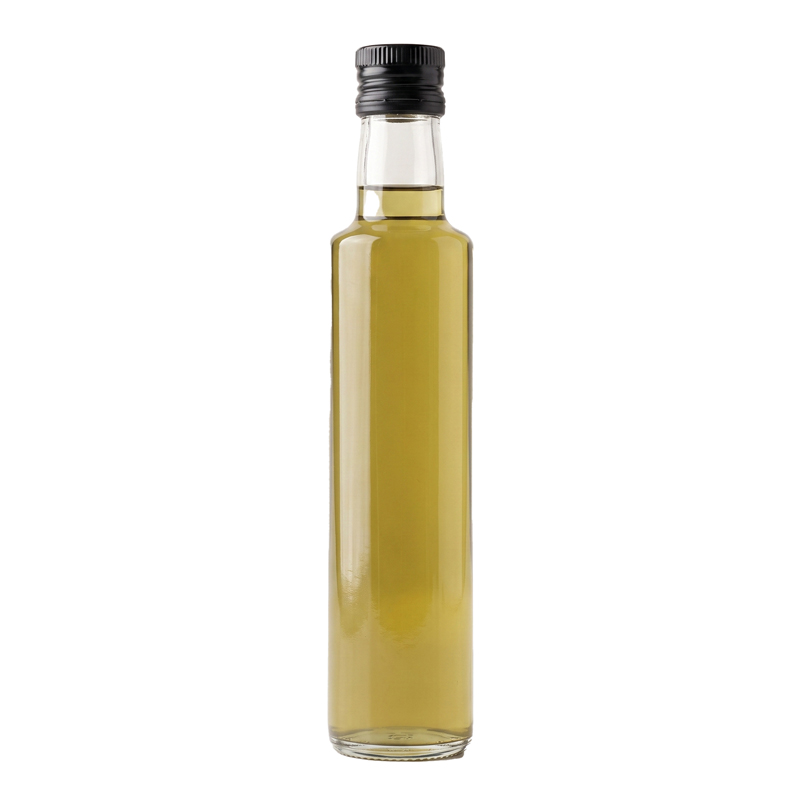
For buyers looking to stock something truly distinctive, the specialty end of the Spanish vinegar range includes products that most international markets have never seen. Cava vinegar — made from the same sparkling wine grapes used in Spanish Cava production — offers a light, delicate acidity with fine bubbles of complexity. It is exceptional with shellfish, ceviche, and fresh summer salads.
Other specialties worth exploring include vermouth vinegar, which carries the aromatic botanicals of Spanish vermut tradition, honey vinegar for a naturally sweet acidity, and rice vinegar produced in Spain for operators seeking an alternative to Asian imports.
These products are not high-volume movers, but they punch well above their weight in margin contribution and brand differentiation. A distributor who can offer cava vinegar alongside standard balsamic immediately signals a deeper, more curated Spanish portfolio to potential buyers.
Health Benefits of Vinegar: What the Science Actually Says
The health conversation around vinegar has matured significantly. What was once dismissed as folk remedy territory is now supported by a growing body of peer-reviewed research. Here is what buyers and their customers should know:
Blood sugar management. Multiple clinical studies have demonstrated that consuming small amounts of vinegar — roughly one to two tablespoons diluted in water or added to food — with carbohydrate-rich meals can reduce post-meal blood glucose spikes. This effect has been observed in both healthy individuals and those with insulin resistance, making vinegar a practical dietary tool that consumers are actively seeking out.
Digestive health. Naturally fermented vinegars, particularly unfiltered apple cider vinegar with the mother and traditionally aged wine vinegars, contain beneficial bacteria and enzymes that support gut microbiome diversity. As awareness of the gut-health connection grows, fermented condiments are moving from specialty shelves to mainstream shopping baskets.
Antioxidant content. Grape-based vinegars — red wine, sherry, Pedro Ximénez, and balsamic — retain polyphenols from the original fruit. These compounds have well-documented antioxidant properties that contribute to cardiovascular health and cellular protection. Interestingly, research suggests that the antioxidant activity of vinegar increases with barrel aging, giving aged and reserve varieties an additional selling point beyond flavour.
Weight management. Some studies indicate that acetic acid may promote satiety and support modest reductions in body weight over time when incorporated into a balanced diet. While the effect is not dramatic, it is enough to drive consumer interest — and that interest translates directly into retail velocity.
The key message for buyers: vinegar is no longer just a cooking ingredient. It is a functional food with genuine wellness credentials, and consumers — especially in the 25–45 demographic — are willing to pay more for varieties that deliver both culinary quality and perceived health benefits.
Frequently Asked Questions
What is the difference between sherry vinegar and balsamic vinegar?
- Sherry vinegar is made from sherry wine and aged in oak barrels using the solera system in southern Spain. It is drier, nuttier, and more acidic than balsamic.
- Balsamic vinegar is made from grape must (cooked grape juice) and tends to be sweeter and thicker.
Both are excellent, but they serve different culinary purposes. Sherry vinegar excels in cooking and deglazing, while balsamic is often used as a finishing condiment.
Does vinegar need to be refrigerated after opening?
No. Vinegar is naturally self-preserving due to its acetic acid content. Store it in a cool, dark place away from direct sunlight and heat.
Opened bottles of wine and sherry vinegar are best used within two years for optimal flavour, though they remain safe to consume well beyond that.
What is the “mother” in apple cider vinegar?
The mother is a natural colony of beneficial bacteria and cellulose that forms during fermentation. Its presence indicates that the vinegar has not been pasteurised or heavily filtered.
Many health-conscious consumers specifically seek out vinegar with the mother for its probiotic potential.
Can I mix vinegar types in a single order?
Absolutely. One of the advantages of working with a consolidated Spanish food supplier is the ability to combine vinegars con other ambient, chilled, and frozen products in the same shipment.
This reduces logistics complexity and allows you to test new varieties without committing to full-pallet quantities of each.
What is the minimum order for Spanish vinegar?
This depends on the supplier and the format:
- For branded retail products: Minimum orders typically start at one pallet or a few cases mixed within a larger consolidated order.
- For private label or bulk formats: Quantities are usually discussed on a project basis.
Source It Through Spanish Boosting
At Spanish Boosting, we work directly with established Spanish vinegar producers who have been perfecting their craft for decades — using traditional fermentation methods, genuine barrel aging, and clean-label formulations across the full range of categories covered in this guide.
Interested in adding Spanish vinegars to your range? Contact us here to request samples, a product list, or a quote tailored to your market and channel.
Related Posts
Innovations and Trends in the Organic and Healthy Hot Drinks Market
In recent years, the organic and healthy hot drinks market has witnessed a remarkable transformation. With growing awareness about health and sustainability, consumers are increasingly gravitating towards beverages that not only offer comfort and taste but also promise organic integrity and health benefits. This shift has led to a surge in innovation and new tr

Authentic Paella has reached our app!
Spanish gastronomy is recognized as one of the richest and healthiest in the world. A variety of dishes have captivated the hearts and palates of people from across the world. But if there’s one signature dish in Spanish cuisine, that’s paella! In this post we tell you about the different varieties of paella recipes, how […]
Latest trends in the Global Organic Chocolate Market
The global organic chocolate market has experienced a significant surge in recent years, primarily driven by a growing consumer preference for healthier and more sustainable food choices. This article explores the evolving organic chocolate landscape, delves into the key market trends, and highlights the growth opportunities for sellers and big retailers target
How is organic honey produced? What makes it different from – and more beneficial than – conventional honey?
In this post we explore a foodstuff that has been treasured by humanity since the Stone Age: honey. How is organic honey produced? And what are the differences between organic honey and conventional honey? These are some of the questions we will look into. Keep reading to find out more about this elixir of life. […]