


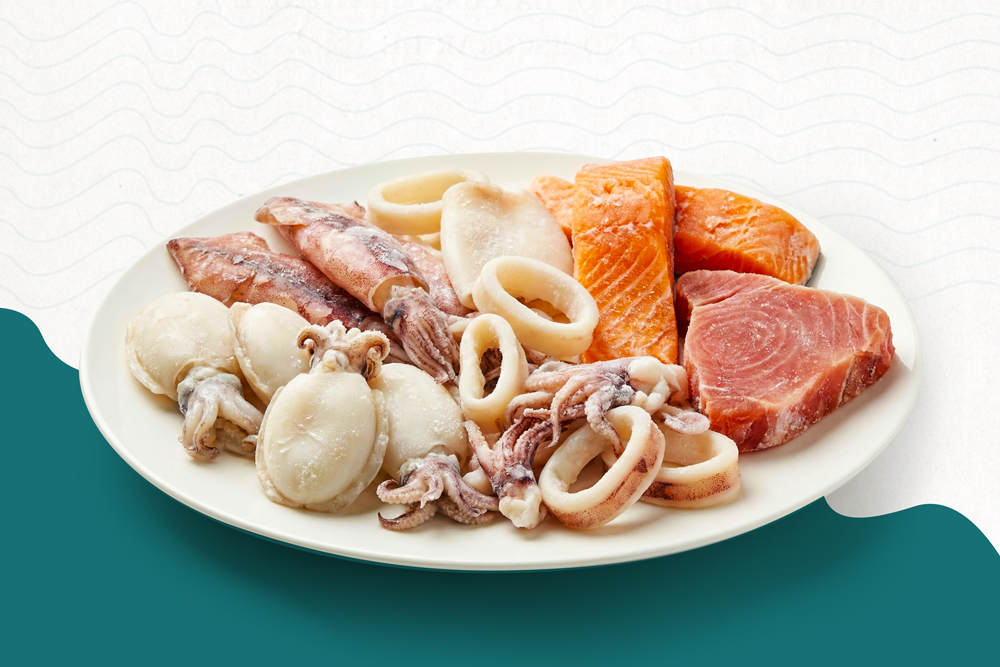
Sourcing Squid, Octopus & Cuttlefish: What Every Seafood Buyer Needs to Know in 2026
Why Cephalopods Are Your Next Profitable Seafood Category
Walk into any bustling seafood market from Tokyo to Madrid, and you’ll notice something interesting: squid, octopus, and cuttlefish consistently fly off the shelves. But why?
These fascinating creatures aren’t just culinary favorites—they’re strategic business assets for savvy importers and distributors. Here’s what makes them stand out in today’s competitive seafood landscape.
The Business Case in Numbers:
- 18-24 months frozen shelf life
- 20-45% profit margins (depending on grade)
- Cross-cultural global demand
- Multiple price tiers for different markets
- Reliable supply from various origins
Not all squid is equal, and that Moroccan octopus is nothing like its Indonesian cousin. Let’s break down what you actually need to know.
The 6 Essential Products Every Importer Should Know
1. Patagonian Squid: Your Volume Workhorse
The Basics
- Origin: Argentina & Falkland Islands (Illex argentinus)
- Position: Mid-premium
- Think: The Toyota Camry of squid—reliable, consistent, profitable
Why Buyers Love It:
✓ Predictable sizing and texture season after season
✓ Sweet flavor profile chefs appreciate
✓ Excellent yield after cleaning
✓ Versatile for rings, tubes, strips, tentacles
Popular Formats:
- Whole round (for processors)
- Cleaned tubes (bestseller)
- Tubes + tentacles
- IQF rings (quick-service restaurants)
Pro Tip: This is your bread-and-butter product. Stock deep—it keeps cash flow steady.
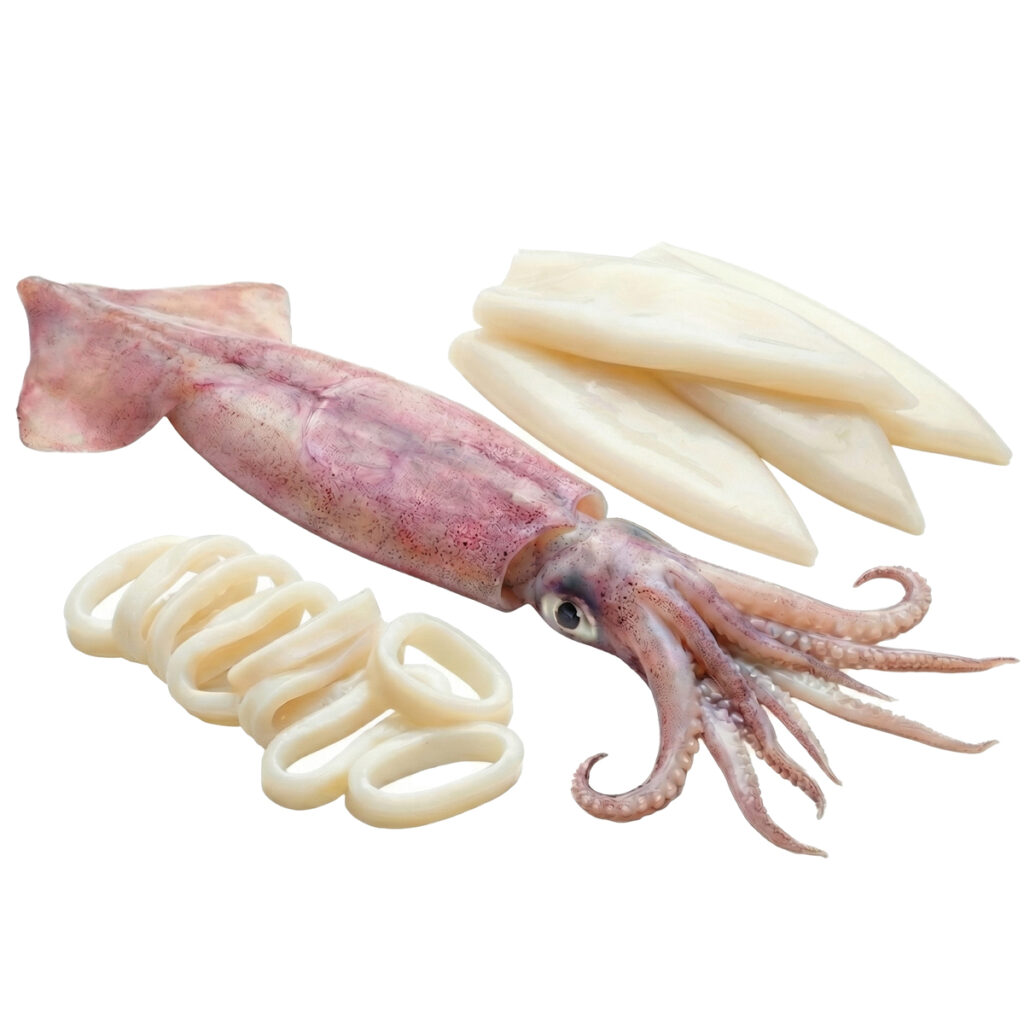
2. Moroccan Squid: The Premium Option
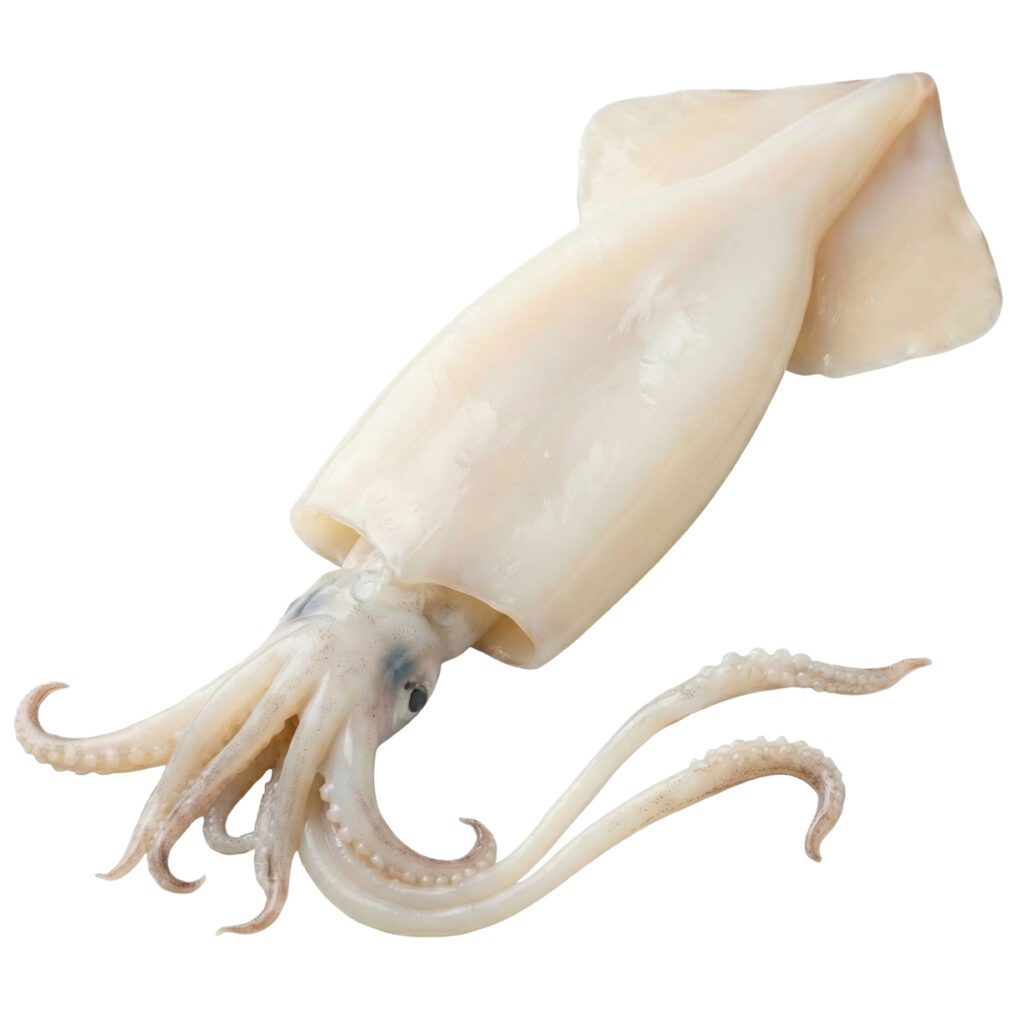
The Basics
- Origin: Atlantic Morocco (Loligo vulgaris)
- Position: Premium tier
- Noticeably whiter and more delicate than other squid
The Quality Difference: When cooked properly, Moroccan squid practically melts in your mouth. Chefs notice the difference immediately—it’s ideal when squid is the star, not hidden under breading.
Real Talk: Lower volume, higher margins. Position it correctly and it’s incredibly profitable.
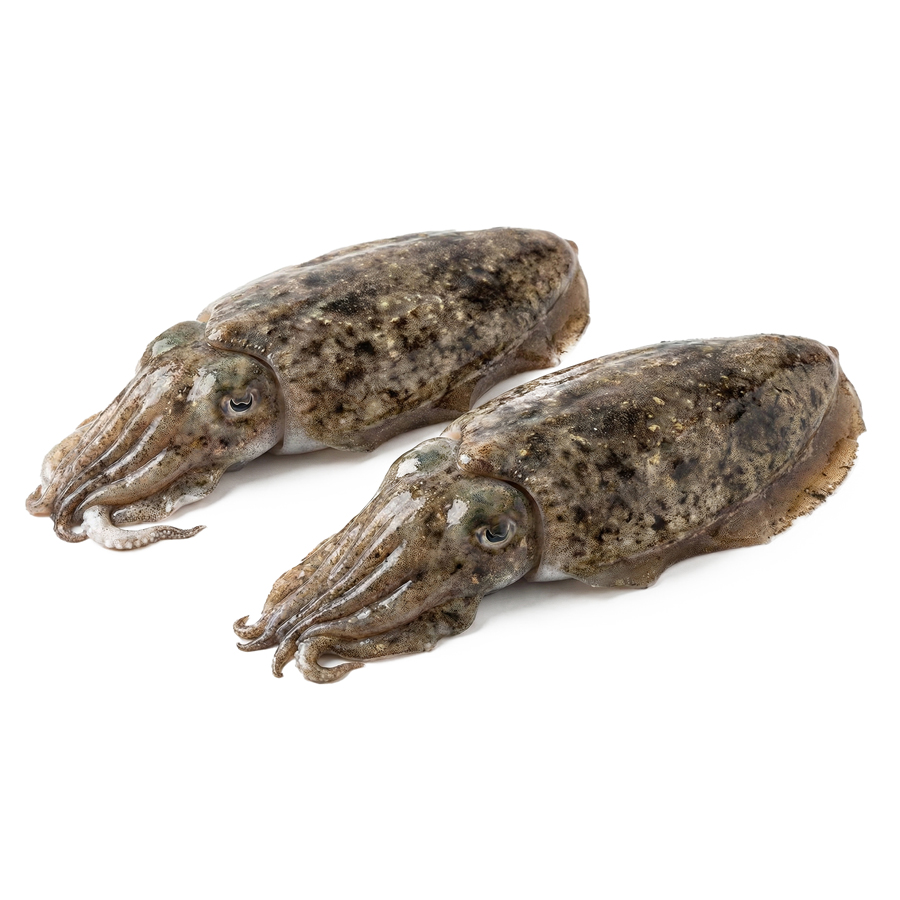
3. Senegal Dirty Cuttlefish: Budget Champion
The Basics
- Origin: Senegal (Sepia officinalis)
- Position: Entry-level pricing
- “Dirty” = uncleaned (skin, ink sac, organs intact)
Why “Dirty” Is Actually Good:
- Significantly lower price point
- Buyers control cleaning specifications
- Often fresher (less processing time)
Perfect For:
- Processing facilities with cleaning equipment
- Restaurant groups with central kitchens
- Budget-conscious HoReCa distributors
- Ethnic markets
Texture Advantage: Denser and meatier than squid—perfect for stews, grilling, or frying.
4. Baby Cuttlefish (Clean): The Instagram Star
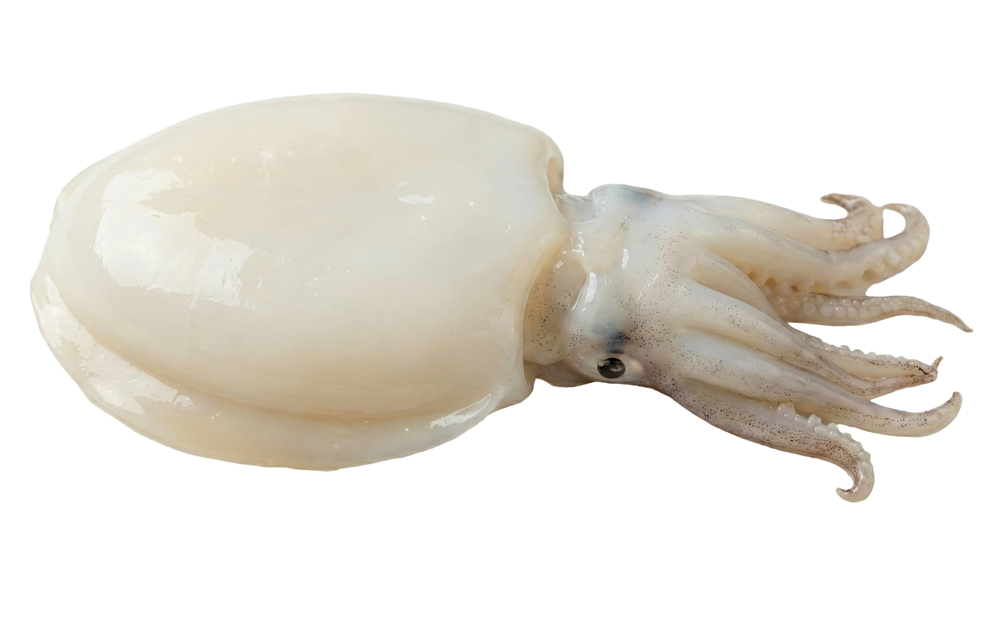
The Basics
- Position: Premium HoReCa favorite
- Size: Perfect single/double-bite portions
- Status: Fully cleaned, ready to cook
Why Chefs Go Crazy for These:
✓ Zero prep time—open, season, cook
✓ Elegant plate presentation
✓ Tender texture throughout
✓ Consistent cooking results
Best Formats: IQF pieces, 1-2kg HoReCa bags, retail trays
5. Raw Octopus: The Global Favorite
The Basics
- Origins: Morocco, Mauritania, Spain, Vietnam, Indonesia
- Position: Premium to ultra-premium
- Universal appeal across cuisines
Why Octopus Is Special: It’s beloved in Mediterranean, Japanese, Korean, Brazilian, and Middle Eastern cuisines. Few seafood products cross this many cultural boundaries.
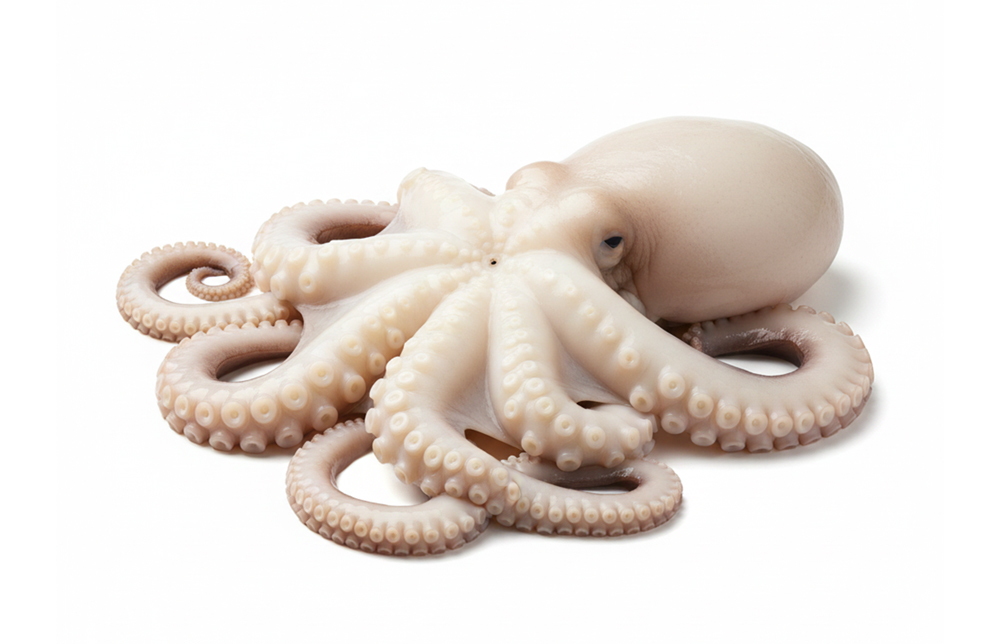
Origin Quality Guide:
| Origin | Quality Level | Price | Supply |
| Spanish | Exceptional | Highest | Limited |
| Moroccan | Excellent | High | Reliable |
| Mauritanian | Excellent | Medium-High | Good |
| Asian | Good | Competitive | Large volume |
Size Grades Explained:
- T1 (3kg+): Premium presentations, slicing
- T2 (1.5-3kg): Most popular—ideal versatility
- T3 (0.8-1.5kg): Portion control
- T4/Baby (<0.8kg): Tapas, appetizers
6. Gigas Squid Tubes: Maximum Value
The Basics
- Origin: Peru & China (Dosidicus gigas)
- Position: Entry-level value
- Size: Massive tubes (30-40cm+)
The Value Proposition: Gigas isn’t pretty, but it’s the cheapest squid option by far. One tube produces enormous amounts of rings.
Best Uses:
- Food processors (breaded products, rings)
- Asian restaurants (sauce-heavy dishes)
- Bulk catering operations
- Value retail lines
The Trade-offs: - Firmer texture (requires proper cooking)
- Less sweet flavor
- Darker color
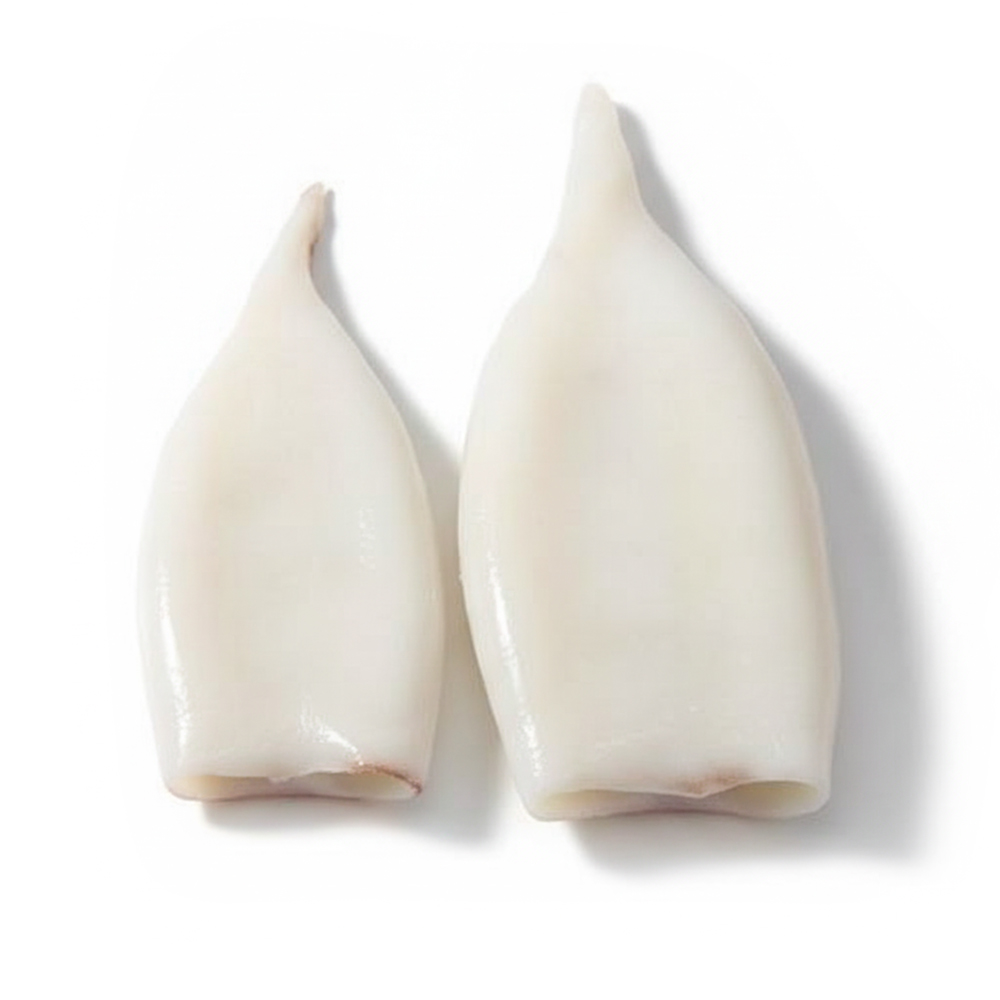
Smart Move: Don’t compete with premium squid—sell this for what it is: affordable functionality.
Technical Specifications That Impact Your Profits
Cleaning Methods Comparison
| Method | Description | Cost | Yield Loss | Best For |
| Whole Round | Uncleaned | Lowest | 30-50% | Processors |
| Semi-Cleaned | Viscera removed | Moderate | 15-25% | Mid-tier wholesale |
| Fully Cleaned | Ready to cook | Highest | Minimal | Restaurants, retail |
| IQF Cleaned | Individually frozen | Premium | Minimal | High-turnover operations |
Reality Check: Most buyers underestimate labor costs. Fully cleaned often delivers better margins when you factor in everything.
Supply Chain Essentials
Seasonality & Supply Windows
| Product | Peak Season | Supply Notes |
| Patagonian Squid | Feb-Jun, Sep-Oct | Stock up during peak |
| Moroccan Squid | Year-round | Quality peaks in winter |
| Senegal Cuttlefish | Sep-Mar | Prices spike off-season |
| Octopus | Varies by origin | Multi-origin crucial |
Pro Strategy: Build relationships with suppliers who have cold storage. Buy during peak season, sell year-round.
Typical Profit Margins
| Price Tier | Products | Typical Margins |
| Entry-Level | Gigas squid, dirty cuttlefish | 15-25% |
| Mid-Tier | Patagonian squid, standard octopus | 20-30% |
| Premium | Moroccan squid, baby cuttlefish | 30-45% |
Questions Smart Buyers Ask
Q: How much volume for good pricing?
Container loads (20-25 tons) get best rates. Mixed containers are common—you don’t need 25 tons of one product.
Q: Realistic shelf life?
18-24 months at -18°C. IQF sometimes 12-18 months. Proper glazing and stable temperatures are critical.
Q: Fresh or frozen?
For most importers, frozen wins: longer shelf life, better logistics, lower waste, easier inventory management.
Q: How to handle “frozen twice” concerns?
Quality suppliers freeze once after cleaning. The key is proper handling, not number of freeze cycles.
Ready to Import?
Get wholesale prices, product specs, samples, and full logistics support today. Spanish Boosting is a leading global supplier of frozen squid, octopus & cuttlefish.
Contact us now to access competitive pricing and start growing your cephalopod portfolio.
Remember: The best time to enter the cephalopod market was yesterday. The second best time is today.
Related Posts

Organic Boosting participates in European XPANDE Program.
Last September, Organic Boosting signed an agreement with Chamber of Commerce, to participate in European Xpande program, in order to achieve an optimal online positioning in the Kuwait. It is just one more step to boost our company into new international markets and become the purchasing office in Europe for Kuwaiti supermarkets that want to […]

Organic products with Spanish seal for Nature Product Trading EST, Saudi Arabia.
From Organic Boosting we want to share a highly ambitious and stimulating project that we have underway. As you know, we have been doing office-based tasks in purchasing from Spain for the Saudi Arabian chain Nature Product Trading EST, and we have already introduced into the Arab country five Spanish organic producers. San Blas, Añavieja, […]
Organic and clean food, the best medicine
Whether it is a meat-based diet or a plant-based diet, clean food is the optimum choice to avoid industrial diseases. Organic food keeps you healthy. Oftentimes we heard a controversy about which diet is the best for us, some people believe in meat-only intake while others say veganism is their religion. The Eskimos and the […]

The advantages of working with ORGANIC BOOSTING.BIO
One of our key goals is to save you time, so we’ll keep this post – about the advantages of our automated platform for exporting organic products – as short and sweet as possible. If you’d like more information, or if you have any questions, please get in touch and we’ll help in any way […]