


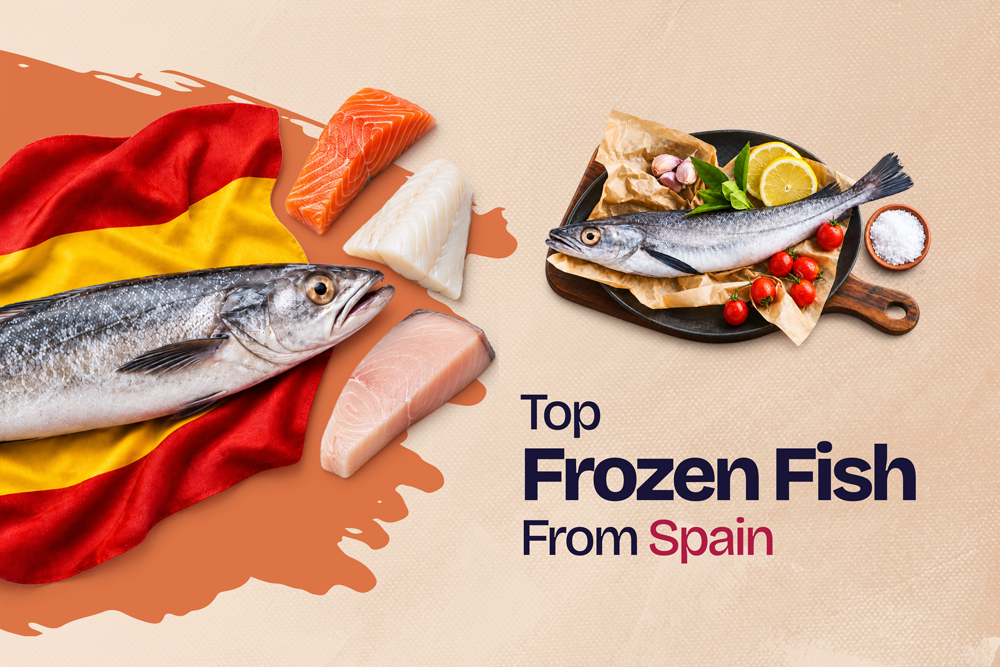
Top Frozen Fish Best Sellers from Spain: A Sourcing Guide for Importers and HoReCa Buyers
How well do you really know the frozen fish that moves out of Spain every week?
Spain ranked as the sixth largest frozen fish exporter in the world in 2025, shipping over $1 billion worth of product — and that figure grew more than 30% year-on-year. From hake and cod to salmon, tuna, and swordfish, Spanish ports handle an enormous range of species sourced from the Atlantic, the Mediterranean, and key fishing grounds across four continents.
Spain is not just a fishing nation — it is one of Europe’s largest frozen fish processing hubs. Raw material comes in from Iceland, Norway, Argentina, Morocco, and beyond. It gets filleted, portioned, graded, packed, and re-exported — with full EU traceability and food safety documentation attached.
For importers, distributors, and HoReCa procurement teams, that means one thing: you can source a complete frozen fish portfolio from a single Spanish export partner, covering everything from premium Atlantic salmon loins to high-rotation hake fillets and chef-favourite monkfish — all in one container, one shipment, one set of paperwork.
This guide breaks down the top frozen fish best sellers exported from Spain, species by species. For each one, you will find the formats that matter, the applications that drive rotation, and the sourcing details that separate a good order from a costly mistake.
Why Spain Dominates the Frozen Fish Export Market
Spain is not just another country that catches fish. It sits at the intersection of three things that matter to any buyer building a frozen fish programme: access to diverse fishing grounds, a massive processing infrastructure, and decades of export know-how.
The numbers tell the story. Spain exported over $1.07 billion in frozen fish in 2025, making it the sixth largest frozen fish exporter globally. That is a 31.6% jump from the previous year. Hake alone accounted for more than $185 million in frozen exports, and Spain holds the title of world’s number one exporter of frozen hake by volume — over 61 million kilograms in 2024.
For buyers, this translates into a practical advantage: instead of juggling separate suppliers for each species, you can consolidate your entire frozen fish order through one Spanish export partner. One container. One set of documentation. Multiple species, formats, and price points.
1. Hake — Spain’s Flagship Frozen Fish
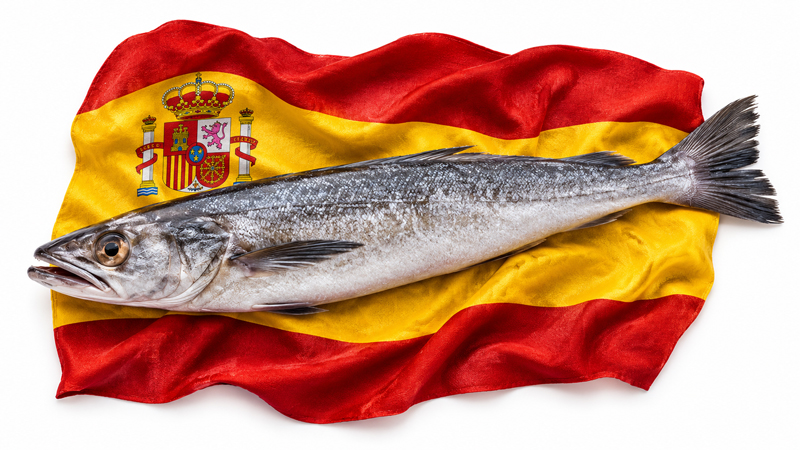
If there is one species that defines Spanish frozen fish exports, it is hake. Spain is the world’s largest exporter of frozen hake, and it is also the most consumed fish in the country. Every serious frozen fish catalogue from Spain starts here.
Hake’s appeal is straightforward: mild, white, flaky flesh that works across virtually every cooking method. It holds up in deep fryers, ovens, grills, and stews. That versatility makes it a workhorse for HoReCa kitchens and a reliable shelf performer for retail.
Key Formats
| Format | Typical Sizes | Best Channel | Notes |
| Skin-on fillets (PBO) | 60/120, 4/6, 6/8 | HoReCa, retail | Most popular format. PBO (pin-bone out) saves kitchen prep time |
| Skinless fillets | 60/120, 4/6 | HoReCa, retail | Higher price point, premium positioning |
| Steaks (bone-in) | 120/150, 150/180 | HoReCa, retail | Traditional cut, strong in Southern European and Latin American markets |
| Medallions (skinless) | 90/120 | HoReCa | Portion-controlled, clean plate presentation |
| HGT whole | M-4 and larger | Wholesale, processing | Buyers who portion in-house for better margin |
| Belly cuts | 35/65 g | HoReCa | Underrated cut — excellent for tapas, stews, and value menus |
| Breaded fillets | Pre-portioned | Retail, quick-service | Ready-to-cook, strong rotation in family retail |
Origins to Know
• Galician hake (FAO 27, Northeast Atlantic) — considered the premium origin. Finer texture, commands higher prices
• Namibian / South African hake (FAO 47) — the volume workhorse. Excellent quality-to-price ratio, widely available
• Argentine hake (FAO 41) — good mid-range option, slightly softer texture
• Gran Sol hake (FAO 27, Celtic Sea) — Spanish fleet-caught, strong provenance story
Buyer Tip
Always confirm whether fillets are PBO (pin-bone out) or not. In HoReCa, PBO is essentially mandatory — no chef wants to spend service time pulling bones. For retail, PBO commands a premium but reduces customer complaints. Also check glazing percentages: a 10% glaze is standard, but some suppliers push 20-30%, which inflates the apparent weight and deflates your real yield.
2. Salmon — The Most Consumed Fish in Spain
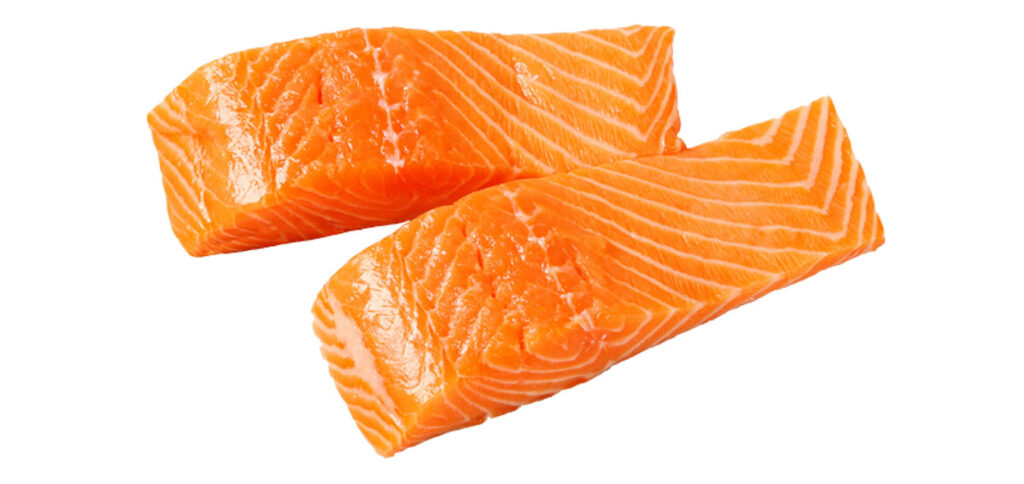
Salmon holds the top spot for per-capita fish consumption in Spain at 1.2 kg per person per year. It is also one of the most re-exported species: Norway ships raw material into Spain, where it gets processed into fillets, portions, and loins before heading to markets across Southern Europe, the Middle East, and beyond.
Key Formats
| Format | Typical Sizes | Best Channel | Notes |
| Atlantic salmon fillets (vacuum-packed) | 1.4/1.6 kg, 1.4/1.8 kg | HoReCa, premium retail | The flagship format. Vacuum-packed for extended shelf life |
| Salmon loins (skin-on, PBO) | Individual portions | HoReCa | Perfect portion control for plated service |
| Pink salmon portions | 80/120, 120/160 | HoReCa, institutional catering | Budget-friendly alternative to Atlantic salmon |
| Keta salmon fillets (skin-on) | 800/1500 | Wholesale, processing | Wild-caught Pacific species, lower price point than Atlantic |
Buyer Tip
Pay attention to the distinction between Atlantic salmon (farmed, Norwegian or Scottish origin, higher fat content, richer colour) and Pacific species like keta and pink salmon (wild-caught, leaner, paler flesh). They serve different market segments. Atlantic commands premium shelf positioning; keta and pink salmon work best in catering, institutional, and price-sensitive retail.
3. Cod — The Traditional Staple with Premium Potential
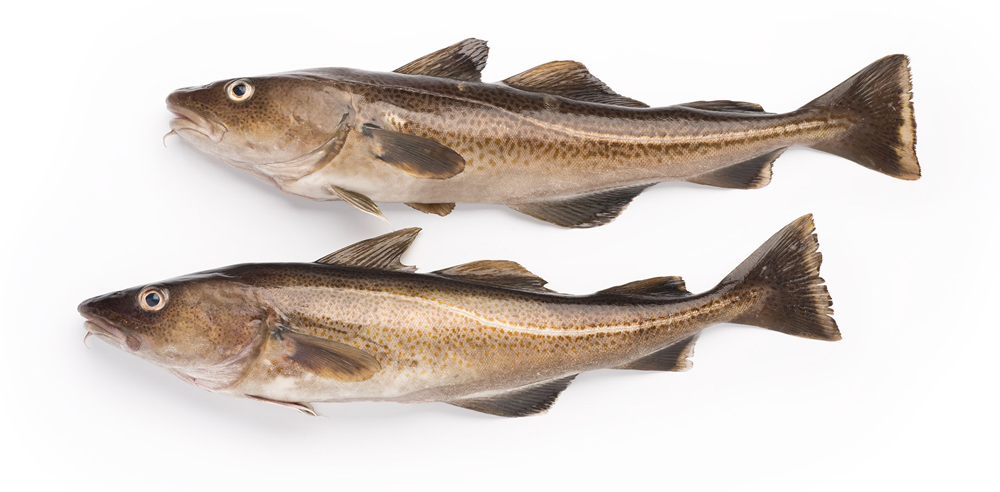
Cod is the third most consumed fish per capita in Spain, and it carries centuries of culinary tradition behind it. Spain imports approximately 15,000 tonnes of fresh, frozen, and salted cod annually — with 85% of consumption covered by imports. That makes it both a massive domestic market and a significant re-export product.
Key Formats
| Format | Typical Sizes | Best Channel | Notes |
| Cod fillets | +1000 g | HoReCa, retail | The core product. Available from Iceland and China origins |
| Cod loins | 300/500, Jumbo | HoReCa, premium retail | Premium cut, high margin. Icelandic origin commands top price |
| Cod supremes | 150/200, 175/225 | HoReCa | Portion-controlled, skin-off, bone-out. Ideal for plated service |
| Cod flakes | 500 g bags | HoReCa, retail | Perfect for croquetas, brandade, fish cakes, and prepared dishes |
| Cod pieces | Irregular cuts | HoReCa, catering | Cost-effective for stews, soups, and mixed dishes |
| Saithe fillets and loins | 500/1000, Jumbo | HoReCa, retail | Budget alternative within the cod family. Darker flesh, stronger flavour |
Buyer Tip
Cod pricing has been under pressure. EU quotas have been tightening — Northeast Arctic cod quotas were cut 25% in 2025, with a further 14% reduction projected for 2026. That means prices are expected to stay elevated. Lock in supply early, especially for Icelandic-origin product. And consider saithe as your margin buffer — it is the same family, same cold-water origin, and your kitchen can use it interchangeably in many recipes.
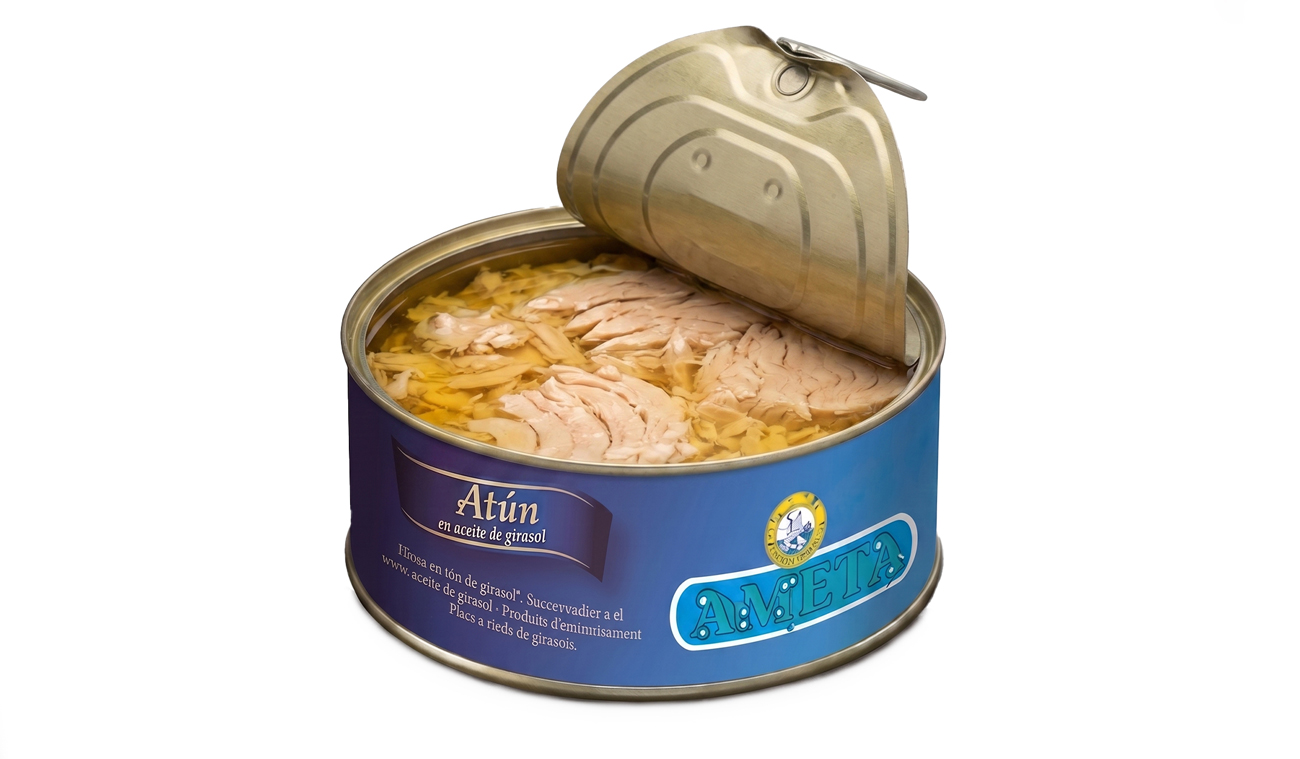
4. Tuna — High-Margin Protein for HoReCa
Tuna is Spain’s single largest seafood export by value — over $670 million in 2024. While much of that is canned and prepared tuna, the frozen segment is where the margin sits for importers and HoReCa buyers.
Key Formats
| Format | Best Channel | Notes |
| Centre loins (skinless, premium) | Fine dining, Japanese restaurants | The top cut. Uniform shape, deep red colour, commands the highest price |
| Chunk loins (vacuum-packed) | HoReCa, catering | Slightly irregular shape, same quality flesh. Better value for volume buyers |
| Tuna tenderloin (125 g portions) | HoReCa | Pre-portioned for consistent plate cost |
| Diced tuna (3×3 cm) | HoReCa, quick-service | Poke bowls, tartares, salads. One of the fastest-growing formats globally |
| Tuna tails (boneless, vacuum-packed) | HoReCa, processing | Versatile and cost-effective for cooking applications |
| Tuna belly (vacuum-packed) | Fine dining, Japanese | Premium cut with high fat content. Ventresca — a delicacy |
Buyer Tip
For HoReCa tuna, the critical spec is the CO treatment (carbon monoxide). CO-treated tuna holds its bright red colour longer, which matters for raw presentations. However, some markets restrict or require labelling of CO-treated product — check your local regulations before ordering. Also confirm whether loins are sashimi-grade (suitable for raw consumption) or cooking-grade only — the price difference is significant, and ordering the wrong grade wastes margin in both directions.
5. Swordfish — The Premium Mediterranean Steak
Swordfish is the second species by landing volume in Spain after hake, and Spanish ports — particularly in Galicia — are among the most important swordfish landing points in Europe. For buyers looking to add a premium steak fish to their range, swordfish sourced from Spain offers strong provenance and consistent supply.
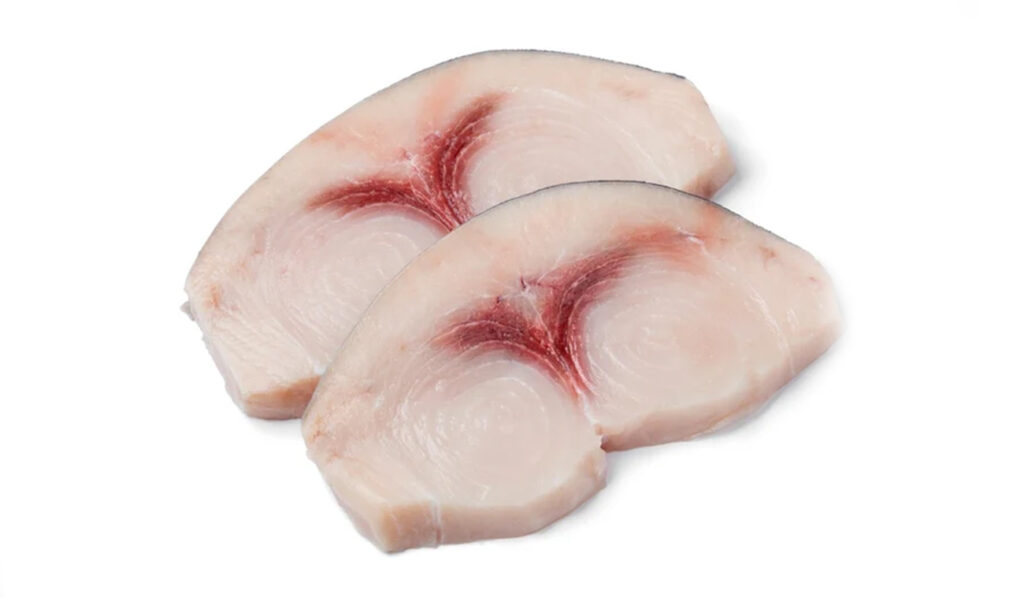
Key Formats
| Format | Typical Sizes | Best Channel | Notes |
| Half-moon steaks | 170/260, 290/350 | HoReCa | The classic presentation. Bone-in or boneless |
| Quarter-cut steaks | 150/250 | HoReCa, retail | Smaller portion, good for individual plating |
| Swordfish loins (half-moon, no glazing) | Whole loins | HoReCa, wholesale | Buyers portion in-house for maximum flexibility |
Buyer Tip
Glazing matters more with swordfish than almost any other species. A zero-glaze or low-glaze product gives you honest weight — what you pay for is what you cook. Some suppliers offer 10% glazed product as standard; others push higher. Always request the net drained weight and calculate your cost per portion on that basis, not on the gross weight printed on the box.
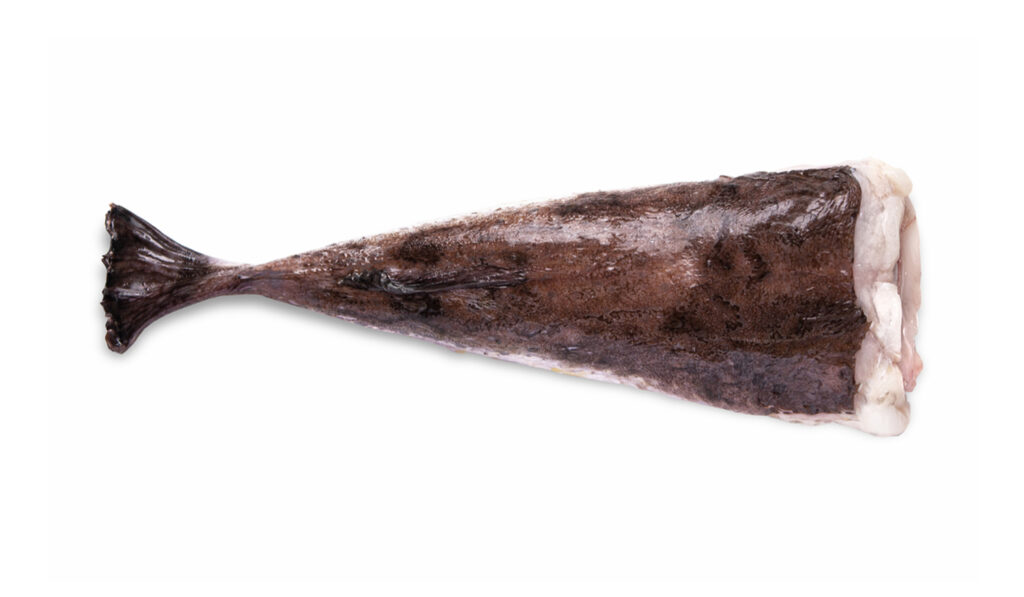
6. Monkfish — The Chef’s Premium Choice
Monkfish (rape, in Spanish) holds a special place in professional kitchens. Its firm, lobster-like texture and ability to hold up under intense heat make it one of the most prized white fish species in European gastronomy. It is sometimes called “poor man’s lobster” — though the price has long since left that nickname behind.
Key Formats
| Format | Typical Sizes | Best Channel | Notes |
| Monkfish tails (N1, N2) | 800/1200, larger | Fine dining, HoReCa | The premium product. European origin, sold whole or skinless |
| Chinese monkfish tails | 200/300 | HoReCa, catering | Budget-friendly alternative for stews, rice dishes, and mixed plates |
| Monkfish fillets (Vietnam) | 100/150, PBO | HoReCa | Pre-portioned, competitive pricing |
| Diced monkfish (PBO) | Cubed | HoReCa, catering | Ready for paella, stews, and skewers |
| Chopped monkfish heads (IQF) | Variable | HoReCa | For stocks, soups, and traditional fish stews — excellent value |
Buyer Tip
The price gap between European-origin monkfish tails and Chinese/Vietnamese alternatives can be three to four times. For clean plate presentations where the monkfish is the star, European origin is worth the premium. For stews, rice dishes, and diced applications where the fish is one of several ingredients, the Asian-origin product delivers perfectly acceptable quality at a fraction of the cost. Carry both and allocate by dish.
Which Frozen Fish for Which Channel? A Quick Decision Matrix
Not every species fits every buyer. This table maps each fish against the channels and applications where it performs best — so you can build the right mix for your market.
| Species | Price Tier | Best Channels | Rotation Speed | Margin Potential | Top Applications |
| Hake | Mid | HoReCa, retail, wholesale | Very high | Medium | Fillets, steaks, breaded, stews |
| Salmon | Mid-High | HoReCa, premium retail | Very high | Medium-High | Grilled, baked, buffet, sushi |
| Cod | High | HoReCa, premium retail | High | High | Loins, supremes, traditional dishes |
| Tuna | Mid-High | HoReCa, fine dining | High | High | Sashimi, grilled steaks, poke, tartare |
| Swordfish | High | HoReCa, premium retail | Medium | High | Grilled steaks, roasted, Mediterranean |
| Monkfish | High | Fine dining, HoReCa | Medium | Very High | Roasted tails, paella, stews, skewers |
What to Check Before You Order
Ordering frozen fish from Spain — or from anywhere — comes with a set of details that can make or break your margins. Here are the most common mistakes buyers make, and how to avoid them.
Glazing percentages. This is the single biggest source of cost miscalculation in frozen fish. A 10% glaze is industry standard for most species. But some products come with 20%, 30%, or even higher glazing. That means 20-30% of the weight you are paying for is ice, not fish. Always ask for the net drained weight and calculate your real cost per kilogram on that basis.
PBO vs. bone-in. For HoReCa, pin-bone-out (PBO) fillets are essentially non-negotiable. No professional kitchen wants to spend service time removing bones. But PBO product costs more than untrimmed fillets. If you are buying for a processing operation where you de-bone in-house, untrimmed fillets save money.
Origin and labelling. EU regulations require clear labelling of catch area (FAO zone), species name, and production method (wild-caught vs. farmed). Make sure your supplier provides this information upfront — it is your responsibility as the importer to label correctly in your market. Getting it wrong means recalls, fines, and reputational damage.
Minimum order quantities. Frozen fish comes in pallets, and mixed containers are the most cost-effective way to ship. But each species and format has a minimum pallet or half-pallet quantity. Work with your export partner to find the mix that fills a container efficiently without over-stocking slow movers.
Why Source Your Frozen Fish Through Spanish Boosting
Building a frozen fish programme across multiple species normally means managing multiple suppliers — one for hake, another for salmon, a third for cod, and so on. Each one brings its own contracts, documentation, shipping schedules, and quality standards. It adds up fast.
Spanish Boosting eliminates that complexity. As a consolidated B2B food exporter backed by Grupo COGDI (operating since 1977), we give you access to a complete frozen fish portfolio — hake, salmon, cod, tuna, swordfish, monkfish, and more — through a single export relationship.
What that means in practice:
• One container, multiple species. Mix hake fillets, salmon loins, cod supremes, and tuna steaks in the same shipment. No need to fill an entire container with one species to make the logistics work.
• One invoice, one set of documentation. All export paperwork, certificates, and traceability records come from one source. That simplifies your import process and reduces the risk of documentation errors.
• IFS Broker certified. Our certification means every product in your order has been sourced, handled, and documented to international food safety standards.
• Ambient, chilled, and frozen in one order. Beyond frozen fish, we carry olive oils, sauces, vinegars, cheeses, cured meats, and more. If you are already sourcing other Spanish food products, adding frozen fish to the same container is the most cost-efficient way to fill your shelves.
Whether you are an importer looking to add Spanish frozen fish to your catalogue, a distributor building a multi-species range, or a hotel group sourcing protein for dozens of kitchens — we can put together a programme that fits.
Get in touch and we will send you our personalised catalogue with the full frozen fish range, pricing, and specifications tailored to your market.
Frequently Asked Questions
What are the top frozen fish species exported from Spain?
The most exported frozen fish species from Spain include hake (Spain is the world’s number one exporter), salmon, cod, tuna, swordfish, and monkfish.
Spain exported over $1 billion in frozen fish in 2025, with hake alone accounting for more than $185 million.
Why should I source frozen fish from Spain instead of directly from origin countries?
Spain is one of Europe’s largest frozen fish processing hubs. Raw material from Iceland, Norway, Argentina, Morocco, and Asia is processed into retail-ready and foodservice-ready formats under EU food safety standards.
Sourcing from Spain gives you full EU traceability, consistent grading, and the ability to consolidate multiple species into a single shipment from one export partner.
What frozen fish formats are available for HoReCa buyers?
Spanish exporters offer a wide range of HoReCa-ready formats including:
- PBO (pin-bone-out) fillets
- Skinless fillets
- Loins and supremes
- Steaks and portions
- Diced cuts and breaded products
Most are available IQF (individually quick frozen) for easy portioning and reduced waste in professional kitchens.
Can I order multiple frozen fish species in a single container?
Yes. Consolidated mixed shipments are one of the key advantages of sourcing through a Spanish B2B food exporter.
You can combine hake fillets, salmon loins, cod supremes, tuna steaks, and other species in a single frozen container — along with other product categories like olive oil, cheese, or sauces if you choose ambient and frozen compartments. This reduces your total landed cost and simplifies your supply chain.
What certifications should I look for when importing frozen fish from Spain?
Key certifications include:
- IFS (International Featured Standards) or BRC: for food safety.
- MSC (Marine Stewardship Council): for sustainable wild-caught fisheries.
- ASC (Aquaculture Stewardship Council): for farmed species like salmon and monkfish.
Your export partner should also provide full catch documentation including FAO zone, species identification, and production method for EU labelling compliance.
Related Posts
Nature product: an organic brand designed for your customers.
Are you looking for organic brands to satisfy the needs of your most demanding customers? If so, you’ll want to hear more about our brand Nature Product. In this blog post we’re going to tell you about some of the advantages it provides. Usability, quality, zip seal packaging in English and Arabic, and much more! […]
Probiotics for a Great Health & Happy Mood (I)
Russian microbiologist Elie Metchnikoff (1845-1916) was the first to associate the large amounts of fermented dairy products with the good health and longevity of Bulgarians back in 1907. He proposed that the acid-producing organisms in fermented dairy products could prevent what he called “fouling” in the large intestine. He believed if eaten regul

Top 7 Reasons Why Consumers Prefer Organic Milk Over Regular Milk
As consumer preferences evolve towards healthier and more sustainable choices, organic milk has emerged as a popular alternative to conventional dairy. Here are seven compelling reasons why more and more people are opting for organic milk. 1. Enhanced Nutritional Benefits Organic milk is not just about the absence of chemicals and antibiotics; it’s also a

Organic consumer profile
Knowing that the organic market worldwide is getting farther and farther away from the term “niche” and is starting to be recognised as an established market experiencing exponential growth, multiple studies have provided information and conclusions on what the organic consumer is like, what differences we can find within each profile, what their interests,